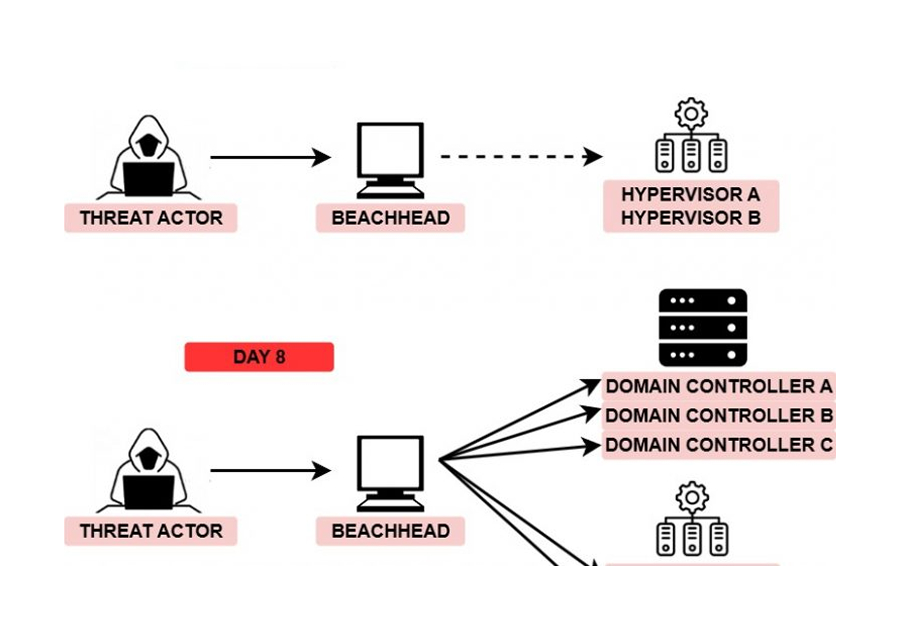
The disclosure underscores the critical importance of rapid forensic telemetry verification and artifact preservation during advanced targeted attacks against exposed systems.
Technical analysis indicates threat actors weaponized known exploitation vectors to bypass defensive perimeters and establish persistence. Digital forensic examiners and incident responders must prioritize memory acquisition från det mest flyktiga (RAM, nätverksanslutningar) till det minst flyktiga (hårddiskar, arkivband).") (RFC 3227)."), file system timeline reconstruction ($MFT/UsnJrnl), and web server access telemetry to determine the precise breach timeline.
Adherence to ISO/IEC 27037 chain-of-custody standards is essential to guarantee evidence integrity across all compromised instances reported by The DFIR Report.
Evidence Status
- Confirmed: Primary CVE advisories and vulnerability records confirming the underlying flaw.
- Reported: Threat intelligence telemetry and exploitation reports from The DFIR Report.
- Unverified: Full scope of exfiltrated assets across targeted entities.
- A new Lynx ransomware attack analyzed by The DFIR Report began in March 2025 via an exposed RDP connection with no evidence of brute forcing or credential stuffing.
- The report highlights initial access methods and ransomware deployment for practical DFIR applications..